


Hybrid & Electric Technology Guide
Hybrid, Plug-In Hybrid, and Electric Drivetrains – What Are the Differences?

Mild Hybrid Electric Vehicle (MHEV)
Hybrid technology is likely the most familiar of the three terms that we’ll cover in this section. Mild Hybrid Electric Vehicles (MHEV) work by recapturing energy and storing it for use at a later time to power the gasoline engine. These types of models also feature a clever feature known as a stop/start system, which works by very briefly cutting power from the engine when you reach a full stop. Collectively, the system helps to increase fuel economy while adding supplemental power to take your adventures further than ever before.
PLUG-IN HYBRID ELECTRIC VEHICLE (PHEV)
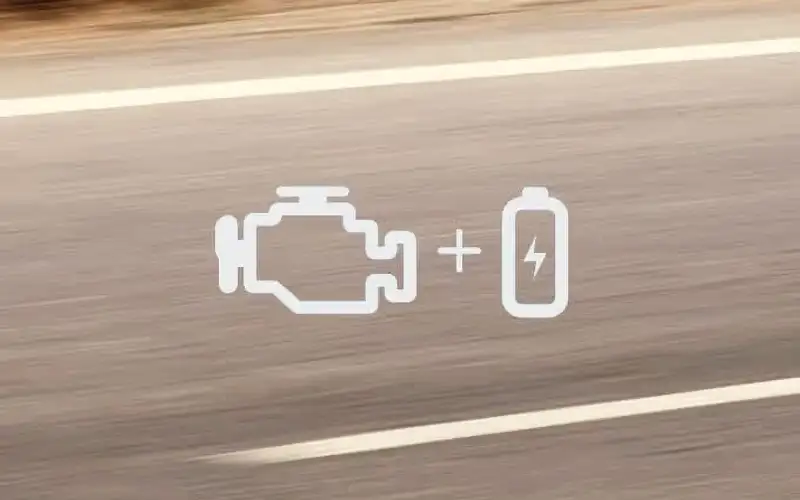
Featuring enhanced efficiency and exhilaration, Plug-In Hybrid Electric Vehicles (PHEVs) work by pairing a conventional gasoline engine with an advanced electric motor and battery pack. One unique advantage of a PHEV is its ability to recapture energy like a conventional hybrid or by using a dedicated charging station or power outlet to charge its onboard battery. These types of vehicles provide the best of both worlds, allowing you to drive with zero range anxiety concerns or adopt a gas-free driving option based on your preferences. The choice is entirely yours!
Electric Vehicle (EV)
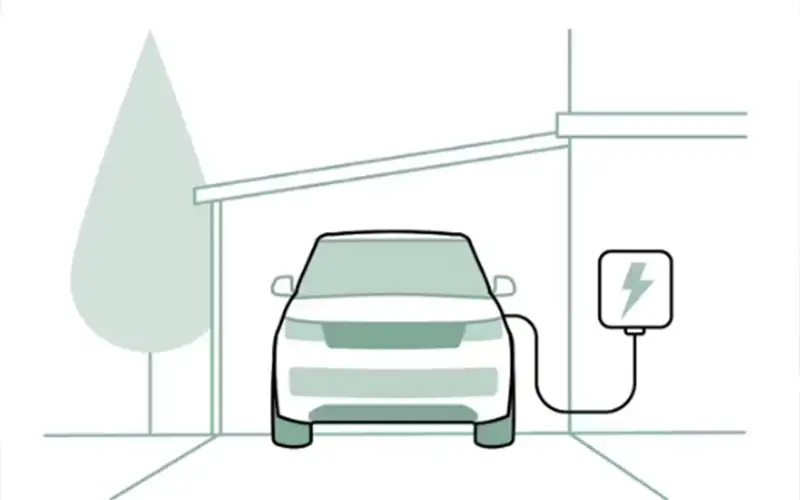
Unlike the first two types we’ve covered already, electric vehicles (EVs) operate using solely electric power with an onboard battery used for energy storage. Instead of stopping at the gas station to refuel, EVs use dedicated electric charging stations to restore their power. From the unrivaled convenience that comes from waking up to a fully-charged vehicle in your driveway or garage to the undeniable environmental benefits and performance advantages – it’s easy to see why more and more drivers are making the switch to an all-electric lifestyle! As the nationwide network of public charging stations continues to expand, the popularity of EVs will continue to grow at a rapid pace.
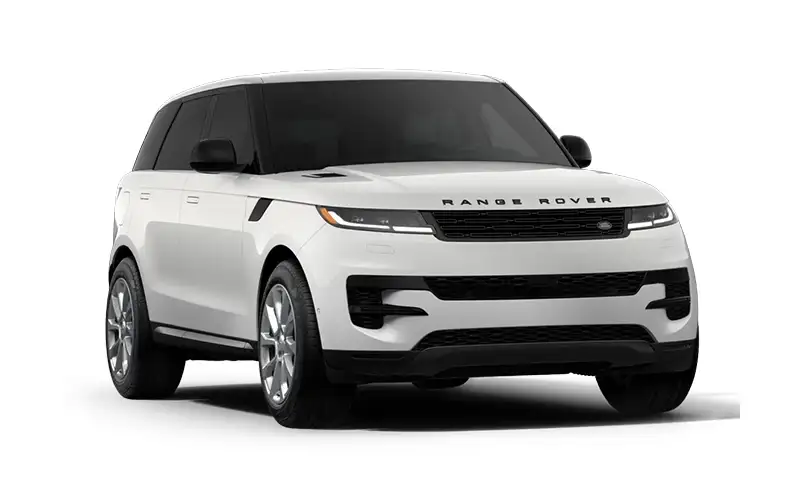
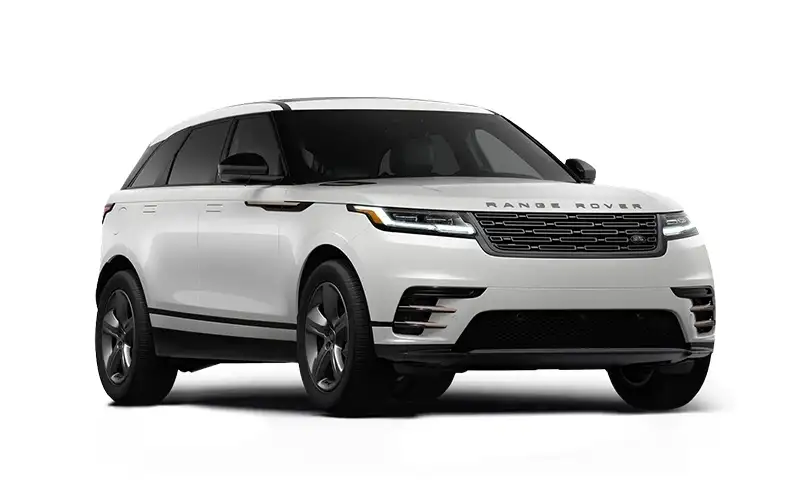


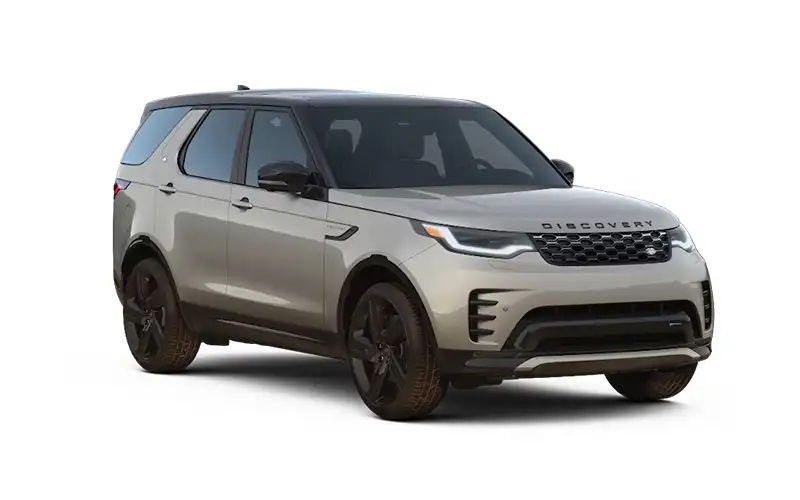
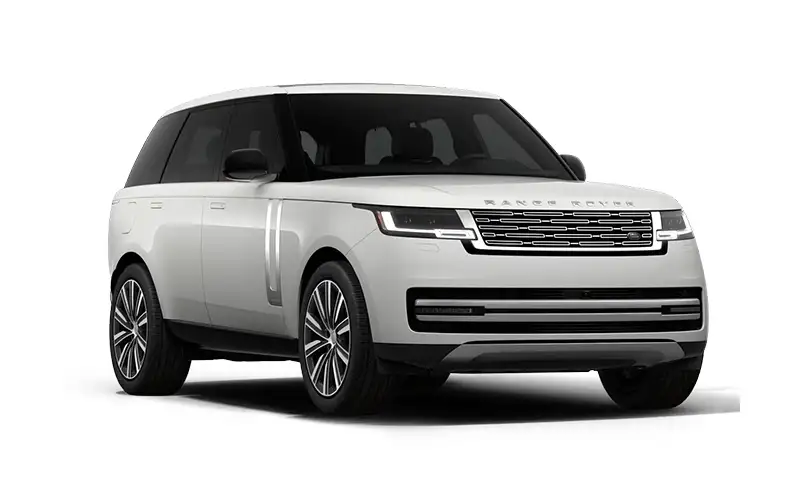
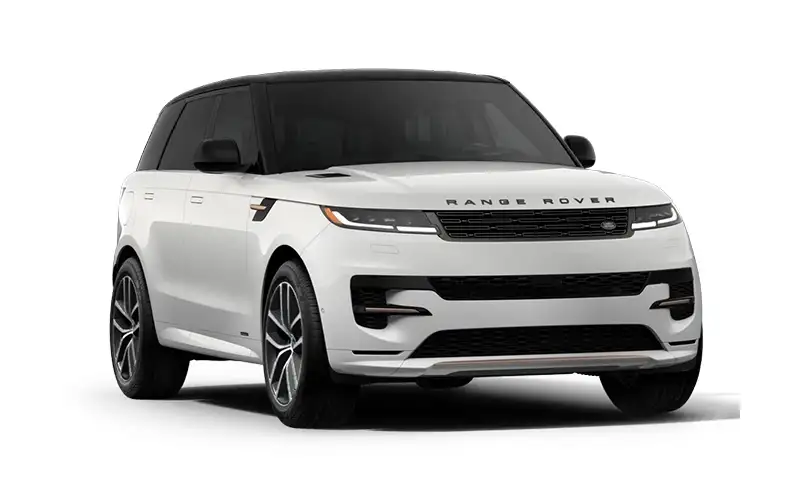
Current EV Models
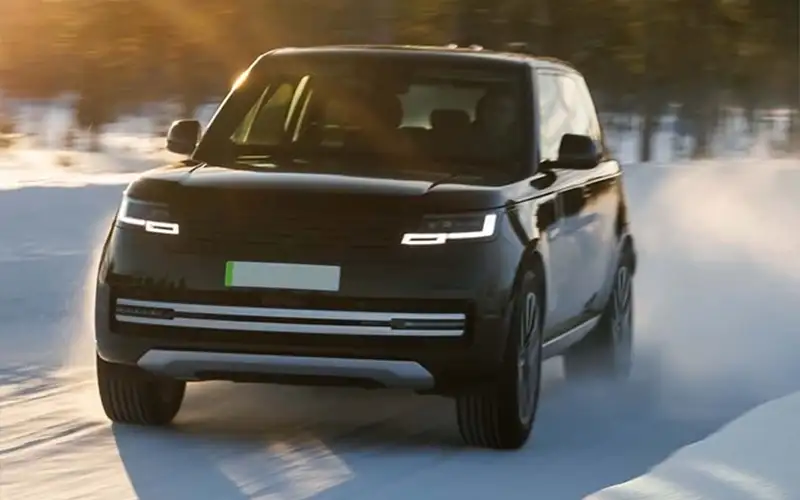
Mild Hybrid, Plug-In Hybrid, and EV Technology – Frequently Asked Questions
I don’t currently have access to a charging station at my apartment. Is it still possible to be an EV owner?
- Absolutely! While home charging stations offer outstanding convenience, there are plenty of public charging stations available across the country! You can often find charging stations in high-traffic areas like office buildings, rest areas, shopping centers, public parks, and more.
I only drive short distances around town. Would I be a good candidate for a PHEV or EV?
- Yes! EVs and PHEVs offer the unrivaled efficiency and emission-free driving you’ve been looking for. Especially if your typical commute is short, you shouldn’t have to worry about charging your vehicle frequently and do so only when necessary.
My travels for work often require long-distance commuting. Which of these three types of powertrains should I choose?
- In short, all three types are possibilities! However, long-distance travel can make it difficult to find a charging station if you’re headed to remote areas. Mild Hybrid options deliver enhanced fuel economy without sacrificing the driving experience that you’re used to. Conversely, choosing a PHEV lets you enjoy the flexibility and freedom of both electric and gasoline power. The choice is yours!